
This guide will help you install osTicket Awesome for the first time into a directory on your self-hosted Linux server.
If you already have an osTicket or an osTicket Awesome installation, if you’re using a Windows IIS server, or if you are installing to a subdomain (rather than a directory), please go back to this menu.
Most people install osTicket Awesome into a directory. You can name that directory anything that you want. Common names that people use are osticket, helpdesk or support.
For the purpose of these instructions we will assume that your website is www.your-domain.com and that the support directory will be in your web root, thus your osTicket Awesome installation will be www.your-domain.com/support
(Your web root may be called public_html, www, httpdocs or something different depending on your web server configuration)
Download and extract the latest osTicket Awesome .zip. Put the upload folder in your web root directory. Rename it to support.
-
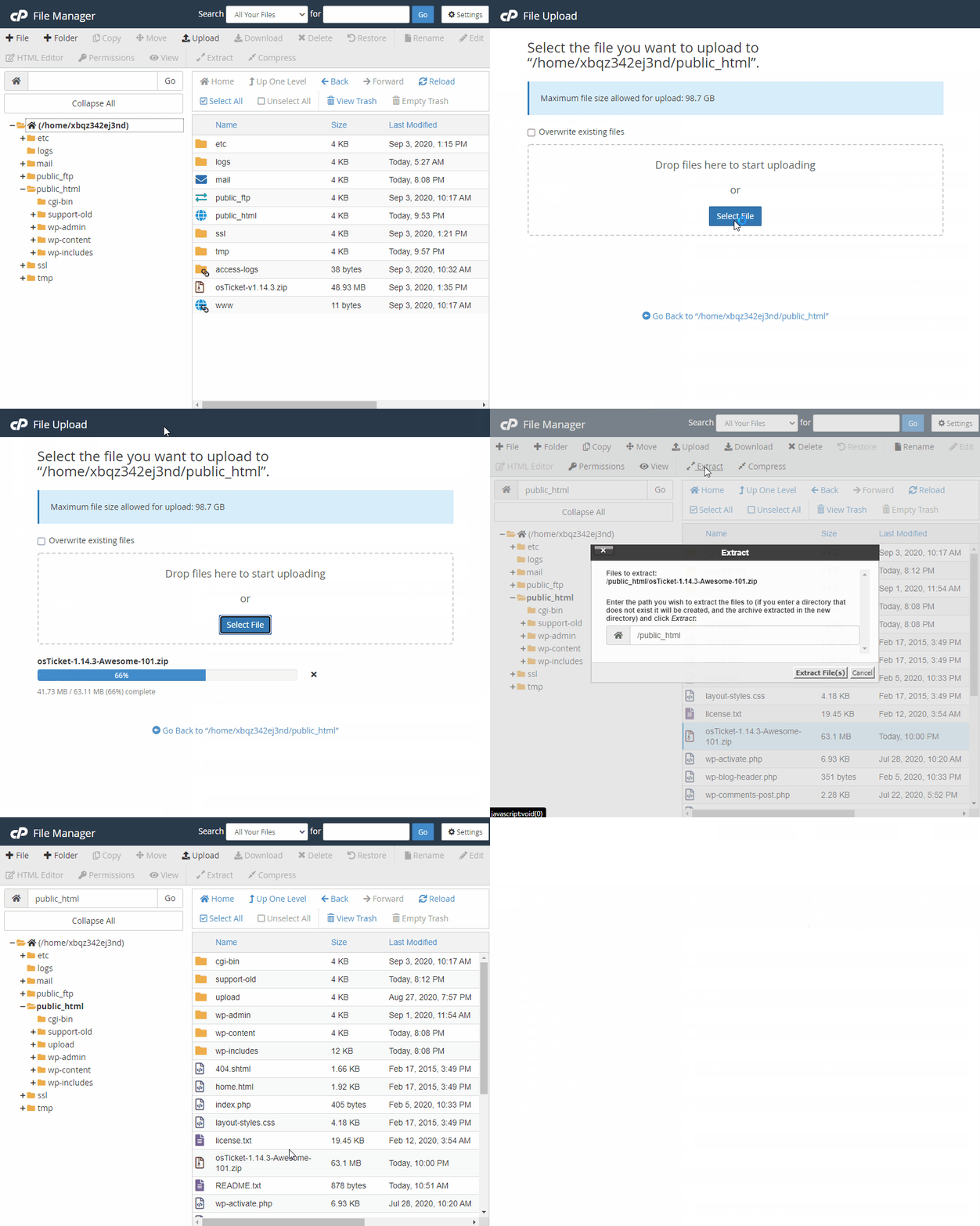
cPanel
Download the osTicket Awesome installation .zip to your computer
Upload .zip to your yourdomain.com web root directory
Extract the .zip file
Rename the upload directory to support
Select README.txt and the osTicket Awesome .zip and click Delete
-
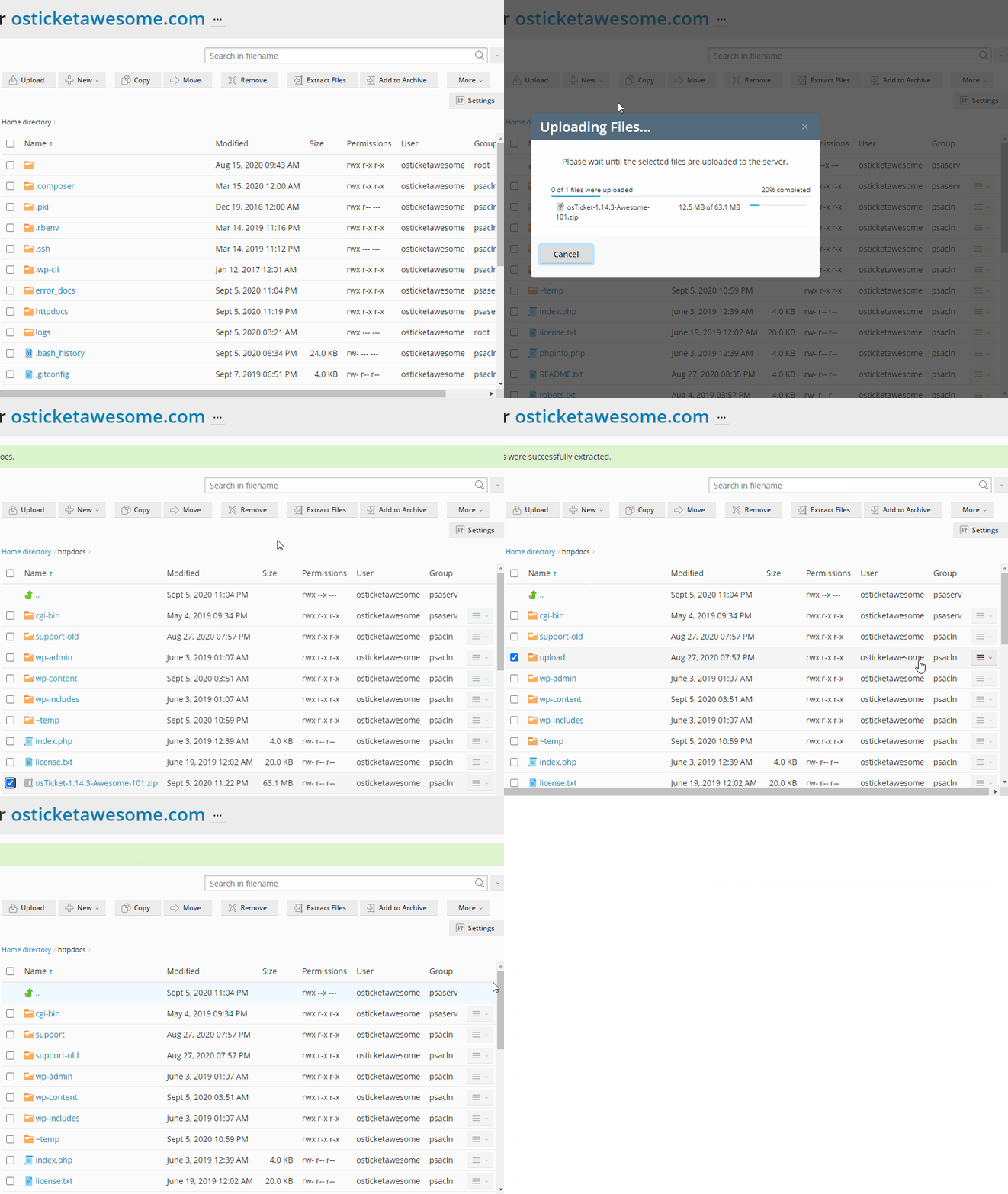
Plesk
Download the osTicket Awesome installation .zip to your computer
Go to yourdomain.com > File Manager
Upload .zip to your web root directory
Select the .zip file and click Extract Files
Rename the upload directory to support
Select README.txt and the osTicket Awesome .zip and click Remove
-
FTP
Download the osTicket Awesome installation .zip to your local computer
Extract the .zip on your computer
Rename the upload folder to support
Transfer the support folder to your web root directory

-
CLI
Download the osTicket Awesome installation .zip to your computer
Use one of the above methods to transfer it to the root directory of your domain
Terminal# unzip osTicket-*-Awesome-*.zip # mv upload support # rm -r osTicket-*-Awesome-*.zip README.txt
Rename support/include/ost-sampleconfig.php to support/include/ost-config.php
-
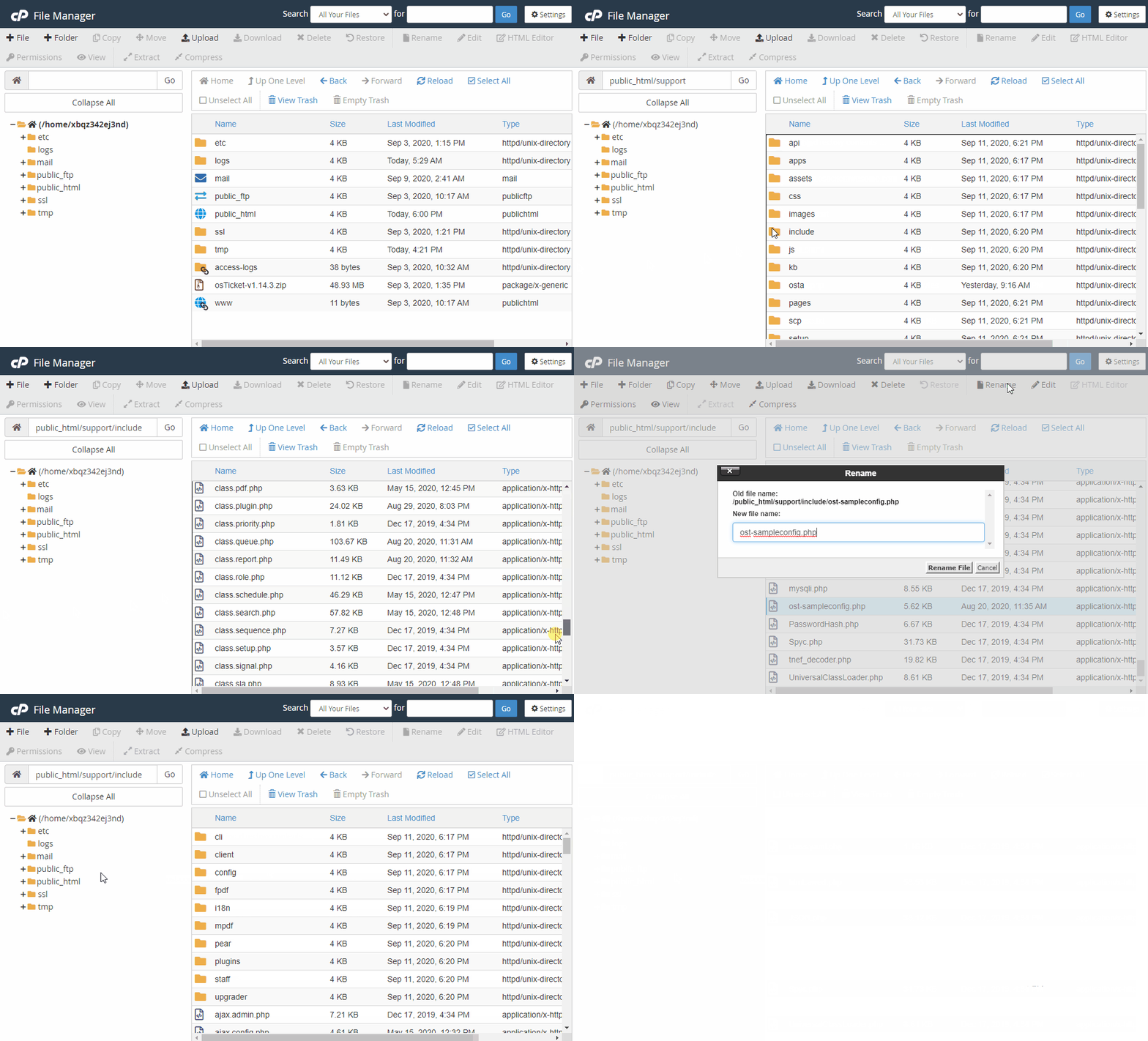
cPanel
Open the File Manager
Navigate to support/include/ost-sampleconfig.php and select it
Click Rename
Rename it ost-config.php
-
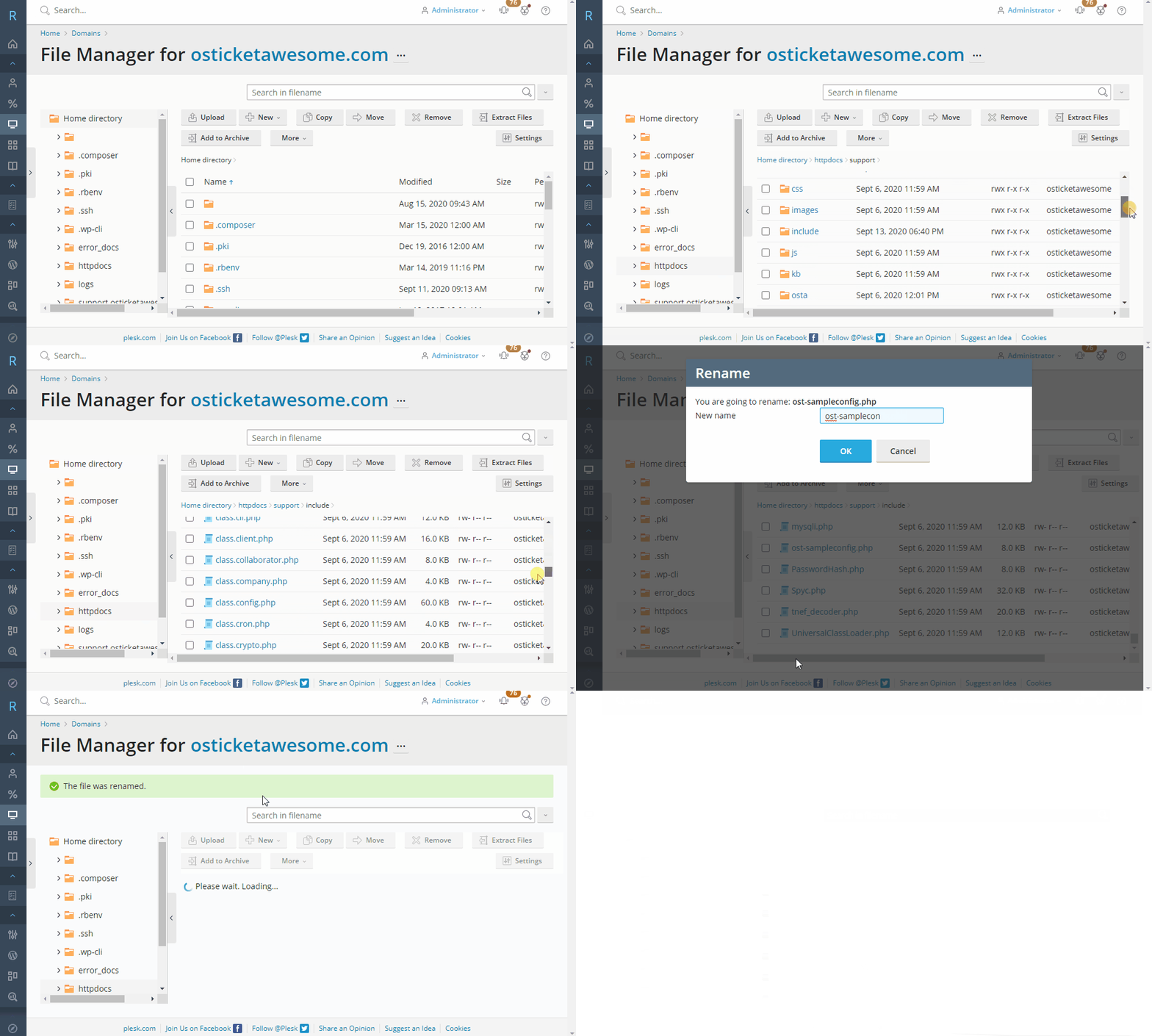
Plesk
Open the File Manager
Navigate to support/include/ost-sampleconfig.php
Click beside the file and select Rename
Rename it ost-config.php
-
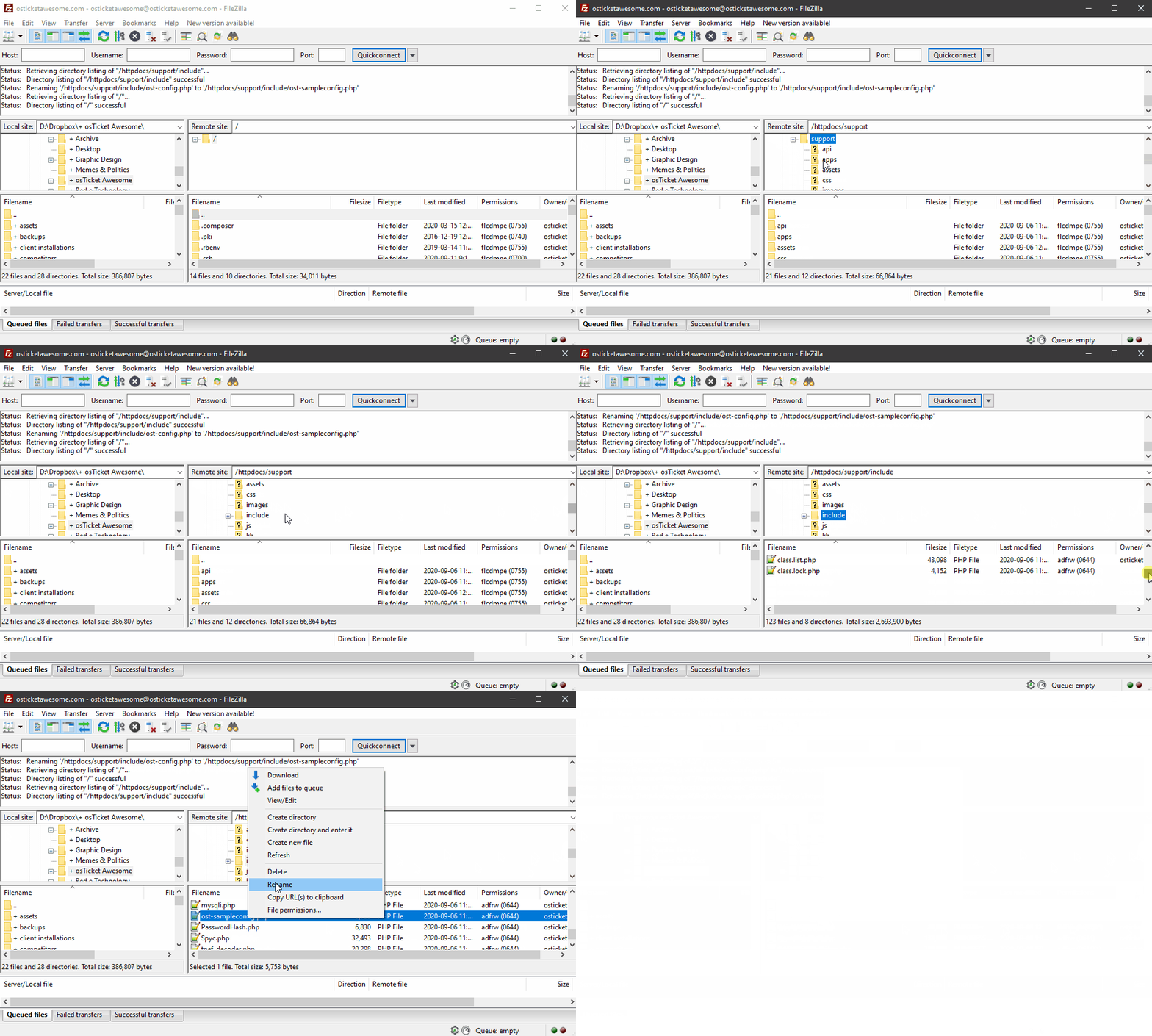
FTP
Navigate to support/include/ost-sampleconfig.php
Right-click on the file and select Rename
Rename it ost-config.php
-
CLI
Terminal
# mv support/include/ost-sampleconfig.php support/include/ost-config.php
Create a database using cPanel, Plesk, phpMyAdmin or CLI. Create a user for your database.
-
cPanel
Go to Databases > MySQL Databases
Click Create New Database > enter a name > click Create Database
Click Add New User > enter a name > enter a password > click Create User
Click Add User To Database > select your user > select your database > click Add
Click Manage User Privileges > check All Privileges > click Make Changes
-
Plesk
Go to Databases
Click Add Database
Enter a Database name
Enter a Database username
Enter a Password
Click OK
-
phpMyAdmin
Open phpMyAdmin and select your database
Click Export
Select Custom
Make sure all Tables are selected
Select Add Drop Table
Click Go
-
CLI
Terminal
# mysql -u root -p
mysql> create database osticket_;
mysql> create user 'osticket-user'@'localhost' identified by 'Pa$$w0rd';
mysql> grant all privileges on osticket_.* to 'osticket-user' identified by 'Pa$$w0rd';
mysql> flush privileges;
mysql> exit;
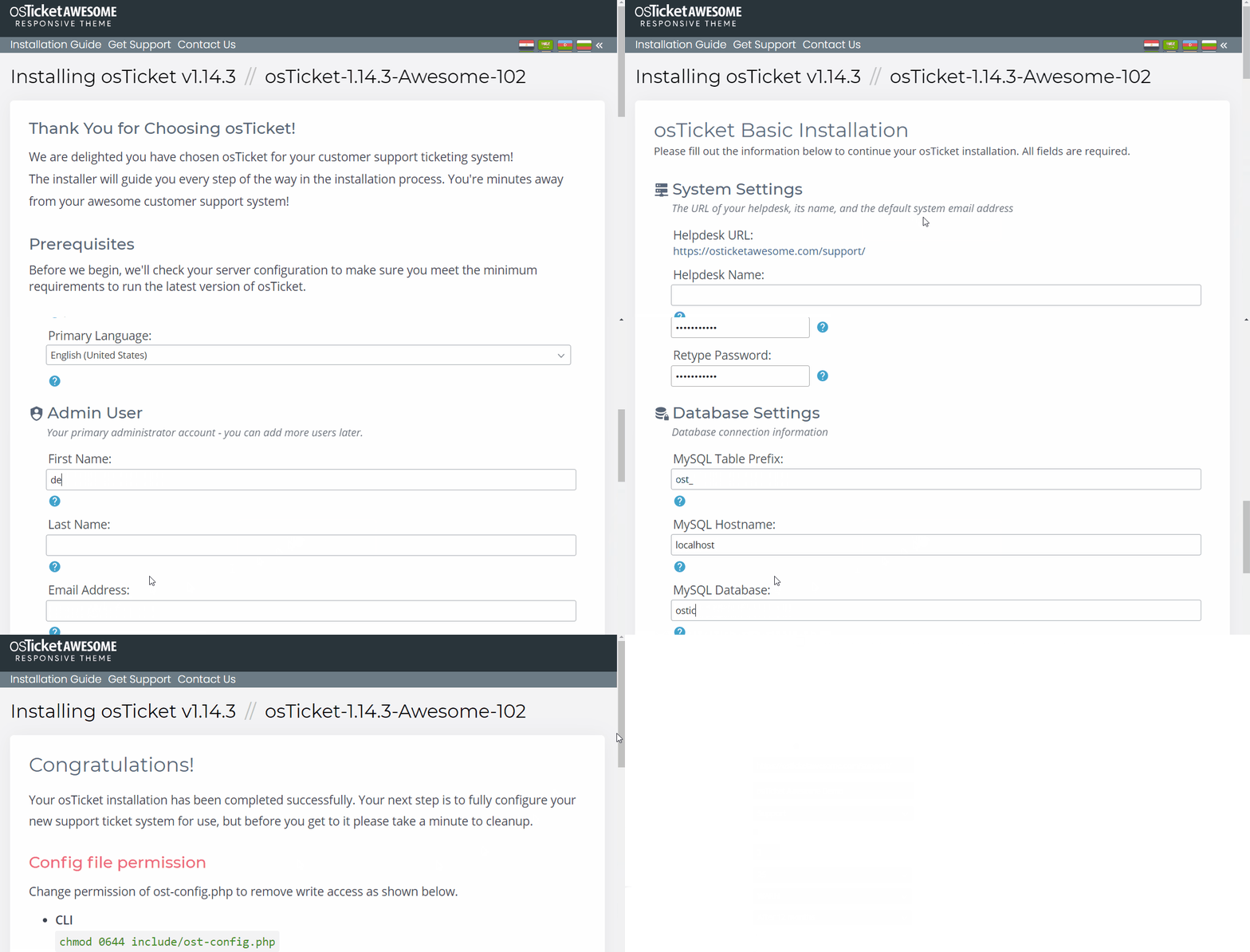
Go to www.your-domain.com/support and follow the prompts to complete the installation
Now take a look at our post-installation tasks